I'm a software developer based in Nigeria. I specialise in building web applications. I find both front-end and back-end development interesting and fun. I enjoy building things that live on the internet, whether it's a website or an application. I'm passionate about creating innovative solutions and exploring new technologies. I always seek new challenges and opportunities to grow as a developer. I'm open to new opportunities and collaborations.
Making a career in coding can be somehow confusing, considering what can be achieved with coding. From web development to machine learning to security, the range is wide. And there are some aspects of coding that requires little or no code. Some of the career paths in coding include web development, computer programming, data analysis, software development, mobile app development and so on. But Pablo is a web developer so we're going to focus on that.
What is Web Development?
According to Wikipedia
Web development is the work involved in developing a Web site for the Internet (World Wide Web) or an intranet (a private network). Web development can range from developing a simple single static page of plain text to complex web applications, electronic businesses, and social network services.
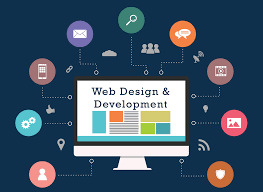
And that's what it is. Whenever you type an address in your browser and hit "Go" or you search for something on Google or download an ebook from a website, remember you're making use of the works of web developers. Web development can be split into 3 - frontend, backend and fullstack.
Frontend
Frontend is also known as the client-side and as the name implies, deals with the side of the web the user can see, that is the web page shown on the browser. It deals with designs - layout, color and interactiveness. The most popular frontend technology is HTML and no matter the stack or framework used, a web page is rendered through HTML. A framework might make a website more dynamic but it will always compile and output the page's content through an HTML file.
Backend
Backend or server-side is the part that deals with data manipulation, storage, transfer and retrieval. It is not visible to the user but the user can make requests, like when you search for something or visit a web page, you're making request to a server to deliver that page to you. PHP used to be the most popular backend technology but Python has recently usurped it.
Fullstack
A fullstack developer combines both frontend and backend. Some of the most popular stacks used are
- MERN(JavaScript, Mongodb, Expressjs, React and Nodejs)
- MEAN(JavaScript, Mongodb, Expressjs, Angular and Nodejs)
- LAMP(JavaScript, Linux, Apache, MySQL and PHP)
- LEMP(JavaScript, Linux, Nginx, MySQL and PHP)
- Django Stack(JavaScript, Python, Django and MySQL)
- Ruby on Rails(JavaScript, Ruby, SQLite and Rails)
Being a fullstack developer means double the work, effort and output. You can develop a full fledge web app on your own.
Some major advantages in getting a career include flexible working hours and good pay. You also get to be a part of something big if your works are/you contribute open source or you're part of a startup. There are several advantages and it outweighs the cons massively. For those who are switching careers, getting into coding doesn't require a degree but there is an option of attending bootcamps if learning alone may not be productive. But for many, me included, YouTube tutorials, documentations, books and online courses are the main sources of education combined with occasional elaboration by other developers on various blogs. So, do not be afraid, take that step today. You could become a great developer but you won't knw if you don't try.
Fingers crossed, I'll begin a thorough beginner article in Frontend Web Development in my next post. Cheerios.